
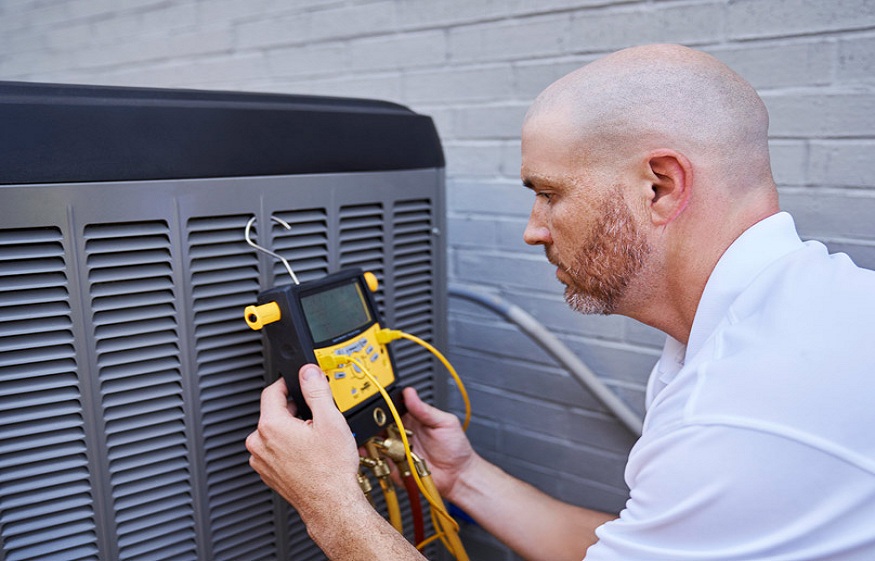
A heating and cooling system can show warning signs long before it stops working completely. Some problems may seem minor at first, but delaying repairs can lead to higher energy use, poor comfort, equipment damage, or safety concerns. Knowing which symptoms require prompt attention helps homeowners protect both their HVAC system and their home.
If your system is making unusual noises, struggling to maintain temperature, or cycling more often than normal, it is sensible to contact Warrenton heating and cooling specialists for a professional inspection. A qualified technician can identify the cause, check key components, and recommend the right repair before the issue becomes more serious.
Unusual or Loud Noises
HVAC equipment normally makes some sound when it starts, runs, and shuts down. However, banging, grinding, screeching, rattling, or repeated clicking should not be ignored. These sounds may point to loose parts, motor problems, worn bearings, or debris inside the system.
Read More : The Ultimate Guide to Under-Cabinet Range Hoods: Style, Function, and Performance
Continuing to run equipment with a mechanical problem can increase wear and may cause additional damage. Turn the system off if the noise is severe or sudden, and arrange an inspection rather than hoping it will disappear.
Weak airflow, hot and cold spots, or rooms that never reach the thermostat setting can also indicate a developing fault. Warrenton heating and cooling specialists can check for issues such as dirty filters, blocked vents, blower problems, duct leaks, or equipment that is no longer performing correctly.
Burning, Electrical, or Gas Odors
It may come from an overheating motor, damaged wiring, or another electrical problem. If the odor is persistent or gets stronger, switch the HVAC system off and seek professional help.
A gas-like or sulfur smell is more urgent. Do not switch electrical devices on or off inside the home.
Signs That Need Immediate Attention
Call for help promptly if you notice:
- A strong burning or electrical odor
- A suspected gas smell
- Smoke near HVAC equipment
- Repeated circuit breaker trips
- Sparking, scorched wiring, or damaged electrical parts
Frequent Cycling
This can happen when airflow is restricted, the thermostat is faulty, equipment is overheating, or the system has another operational problem.
Frequent cycling can reduce comfort and place added strain on system components. Start by checking whether the air filter is dirty and make sure supply and return vents are open.
Rising Energy Bills Without a Clear Reason
Energy costs can change because of weather, utility rates, and household usage. However, a sudden or steady increase in heating or cooling costs may also signal an efficiency problem.
A maintenance visit can help identify whether the HVAC system is contributing to higher energy use.
Water Leaks or Excess Moisture
Air conditioners and heat pumps produce condensation, but that moisture should drain away correctly. A blocked condensate line, damaged drain pan, or frozen coil can cause water to collect near the equipment.
Ignoring a leak can damage flooring, walls, ceilings, or nearby materials. Moisture can also encourage mold growth if the area stays damp.
Ice on the Air Conditioner or Heat Pump
Ice on refrigerant lines or the outdoor unit during cooling season usually signals a problem. Restricted airflow, dirty filters, dirty evaporator coils, or low refrigerant can contribute to freezing.
Switch cooling off and allow the ice to thaw. Replacing a dirty filter may help if airflow is the cause, but repeated freezing requires professional diagnosis.
Uneven Temperatures Throughout the Home
One room that feels much warmer or colder than the rest may seem like a small inconvenience, but persistent temperature differences can indicate airflow or duct problems.
Read More : Finding the Right Electrician Pflugerville for Reliable and Safe Electrical Work
Check that vents are open and unobstructed. If the issue affects several rooms or continues after simple checks, the system may need balancing, duct inspection, thermostat evaluation, or repair.
Conclusion
Unusual noises, burning smells, gas odors, frequent cycling, leaks, ice buildup, weak airflow, and unexplained energy increases all deserve attention. Simple checks such as replacing a dirty filter can help in some cases, but electrical, gas, refrigerant, and mechanical problems should be handled by trained professionals.