
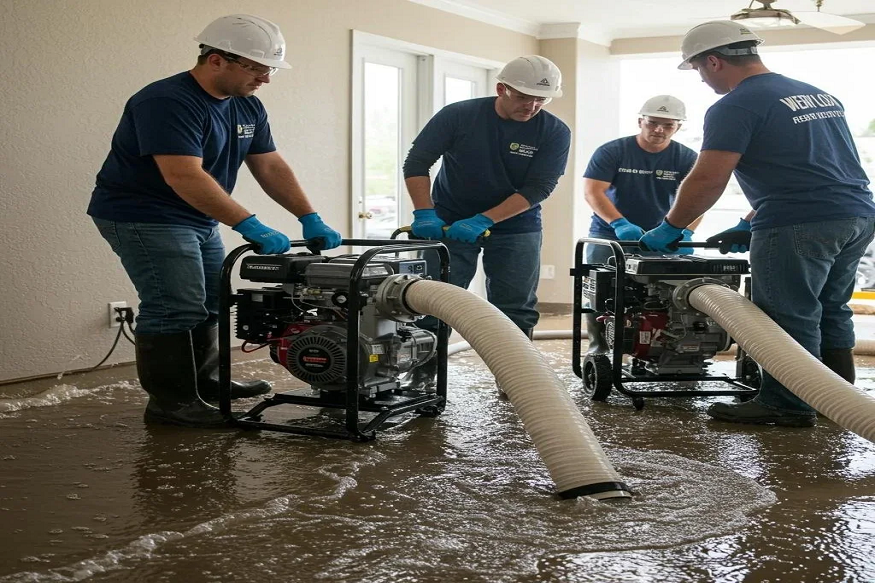
Weather events can affect a business and bring tragic consequences that cost a lot of money. Storms can happen anytime. Simple pre- and post-preparation measures can come in handy. They won’t just help you prevent damage to your property. They will also minimize costly repairs.
It’s easier to handle any storm when you’re prepared. Here is where cleanup & total restoration comes in handy. Cleanup and restoration can run smoothly when you’re better prepared. Many common issues can be avoided with a few simple steps. Some of these steps include the following:
1. Prepare Your Home Before Storms Arrive
Inspect your roof early for damage or blockages. Water can get into your home through cracked flashing when it rains. Fixing these problems early will help to prevent water from getting in.
2. Build an Emergency Plan and Protect Important Items
There should always be a plan for what to do before and when bad weather strikes. Make a plan with everyone on what to do and where to go. Also, make sure to have supplies on hand. These supplies don’t just include water and food. They include flashlights and first aid, too. Test the plan with the entire family to ensure they all understand their roles in an emergency.
Read More: Emergency Bond Cleaning: Quick Fixes for Your Final Inspection
Waterproofing and storm-proofing are also important in protecting documents. Keep insurance documents, identification, medical records, and property records in waterproof containers. Valuable property pictures will also work with insurance settlements in case of an accident.
3. Inspect Your Home After the Weather Clears
Do not enter your home until it is safe to do so. Walk around and inspect any water stalls that may have hidden dangers. Do not enter areas where you see signs of structural damage.
When the building is safe, consider walking around and inside. Don’t just examine ceilings and walls. Examine windows and floors, too, for signs of leaks or cracks. Unfortunately, if left unchecked, they can escalate into more extensive repairs.
4. Clean Up Carefully and Prevent Future Damage
Clean up wet items right away, as it allows mold to grow. Use fans to dry out affected areas as needed and use cleaners indicated for the proper surfaces. In case of widespread damage, have a qualified professional inspect hidden areas for possible remaining moisture.
Take time to see what went well and what was successful during the storm. Swap out or repair broken equipment and items, and explicitly update emergency supplies for each severe weather event. When you learn from each experience, your home will be better prepared the next time a storm comes along.
Read More: How to Maximise the Effectiveness of Your Moth Traps
In conclusion, preventing damage to your property before severe weather and after it does not need to be difficult. So, don’t just maintain the system regularly. Act quickly after the storm, too. This way, you won’t just minimize the damage. You will also improve the safety for your family. These practical tips will give you peace of mind when extreme weather threatens.