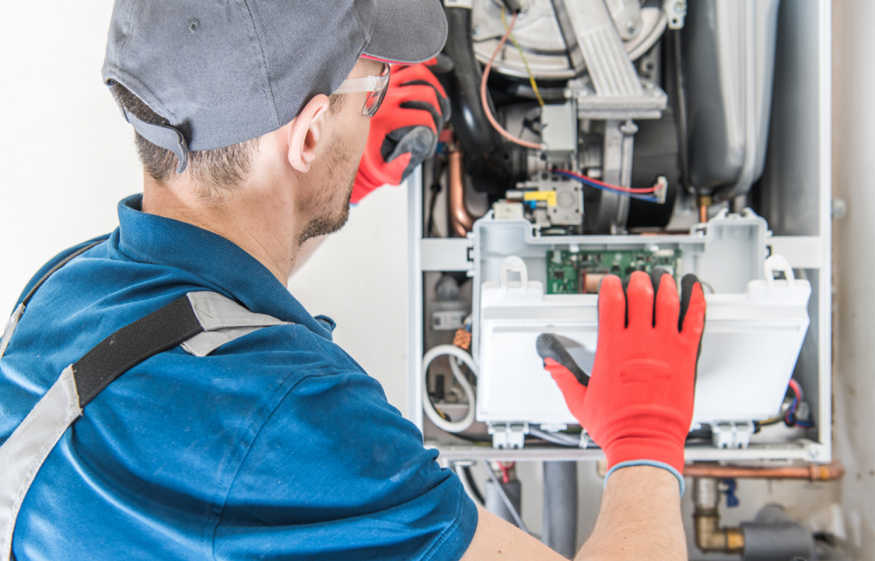
Rising energy bills often signal that an aging furnace is working harder than it should, wasting fuel while delivering inconsistent comfort. For homeowners focused on lowering heating expenses, upgrading to a smarter, more efficient system can create meaningful savings while improving indoor temperatures, air quality, and reliability. Choosing the right replacement begins with understanding modern furnace installation options.
Older heating systems commonly lose efficiency due to wear, outdated components, and poor airflow. Even with regular HVAC maintenance, many furnaces over 15 years old consume more energy than necessary. Replacing an outdated unit with advanced heating technology can reduce monthly utility costs, improve home comfort, and support better long-term financial planning.
Why Replacing an Old Furnace Can Lower Costs
Heating often accounts for a significant share of household energy use, especially in colder climates. Older systems may operate below modern efficiency standards, forcing homeowners to pay more for less consistent warmth. Upgrading can improve Annual Fuel Utilization Efficiency, reduce breakdowns, and support stronger indoor climate control.
Key Signs Your Furnace May Be Costing Too Much
Frequent repairs, uneven heating, unusual noises, and rising gas or electric bills may all indicate declining performance. If your furnace cycles constantly or struggles to maintain temperature, replacement may provide better value than repeated service calls.
Common Warning Signs Include:
- Increasing utility bills
- Uneven room temperatures
- Frequent repairs
- Excess dust or poor air quality
- Strange sounds
- Aging system over 15 years old
Recognizing these signs early can help homeowners plan strategically.
High-Efficiency Gas Furnaces
For many households, high-efficiency gas furnaces remain one of the most practical heating upgrades. Modern units often feature AFUE ratings above 90 percent, meaning more fuel converts directly into usable heat. This can significantly lower operating costs compared to older models.
Benefits of High-Efficiency Gas Systems
Sealed combustion technology, variable-speed blowers, and smart thermostat compatibility help optimize fuel use while improving airflow. During furnace installation, selecting a properly sized gas furnace is essential for balancing comfort and efficiency without overspending on unnecessary capacity.
Read More: Glass Repair in Pocatello: Signs of Damage & Finding a Local Service
Electric Furnaces and Heat Pump Alternatives
Electric furnaces can offer longer operational life and lower upfront equipment costs, though electricity rates may impact savings depending on location. Heat pumps, however, are increasingly popular smart home upgrades because they provide both heating and cooling while using less energy in moderate climates.
Comparing Smart Heating Alternatives
Homeowners should evaluate climate, insulation, and utility pricing before choosing between gas, electric, or heat pump systems. Each option offers distinct benefits depending on regional weather patterns and household energy priorities.
Smart Thermostats and Zoned Heating
Replacing a furnace is also an opportunity to modernize how your home manages heat. Smart thermostats and zoning systems can significantly reduce waste by heating only occupied spaces and adjusting automatically based on schedules.
Energy-Saving Smart Features
Programmable controls, remote access, occupancy sensors, and learning technology all improve energy efficiency. Pairing these upgrades with professional furnace installation can maximize replacement value while delivering more precise comfort.
Smart Upgrade Options Include:
- Programmable thermostats
- Zoned heating systems
- Variable-speed motors
- High-efficiency filtration
- Sealed ductwork
- Humidity control systems
These additions can support lower bills and better indoor comfort.
Ductwork and Insulation Matter Too
A new furnace alone cannot solve every heating inefficiency. Leaky ducts and poor insulation often allow heated air to escape before it reaches living spaces. Evaluating your home’s envelope during replacement can improve system performance substantially.
Supporting Efficiency Beyond the Furnace
Duct sealing, attic insulation, and window sealing can reduce heat loss, helping your new system operate more effectively. Homeowners often achieve the best results by combining equipment upgrades with broader energy-efficiency improvements.
Read More: From Junk Drawer to Jackpot: How Decluttering Can Pay Off
Financial Incentives and Long-Term Savings
Many energy-efficient furnace models may qualify for rebates, tax incentives, or utility discounts. These savings can offset upfront installation expenses while reducing total ownership costs over time.
Cost Factors to Consider
Equipment price, fuel source, labor, maintenance, and projected utility savings all contribute to the overall value of replacement. While premium systems may cost more initially, lower monthly expenses often improve return on investment.
Choosing the Right HVAC Professional
The success of furnace replacement depends heavily on installation quality. Poor sizing or incorrect setup can reduce efficiency, shorten equipment lifespan, and increase future repairs.
What to Look For in an HVAC Contractor
Licensed technicians, transparent estimates, load calculations, warranty support, and strong customer reviews are all important indicators. Professional installation ensures your system operates safely and efficiently from day one.
Questions to Ask Before Hiring:
- Is the contractor licensed and insured?
- Will they perform a home load calculation?
- What efficiency ratings are recommended?
- Are warranties included?
- Do they inspect ductwork?
- Are maintenance plans available?
Choosing carefully protects both comfort and investment.
Maintenance After Replacement
Even the most efficient furnace requires ongoing care. Regular HVAC maintenance preserves efficiency, protects warranties, and supports lower operating costs.
Essential Post-Installation Habits
Changing filters regularly, scheduling annual inspections, and monitoring airflow can help maximize performance. Preventative maintenance also reduces the likelihood of emergency heating failures.
Conclusion
Smart furnace replacement is one of the most effective ways to lower energy bills while improving home comfort, indoor air quality, and heating reliability. From high-efficiency gas systems to heat pumps and smart thermostat integration, today’s options offer homeowners more control over both comfort and cost. By combining efficient equipment, proper installation, and home energy upgrades, households can enjoy lower utility expenses and better long-term performance. Investing wisely today can create lasting savings, stronger efficiency, and dependable warmth for years ahead.