
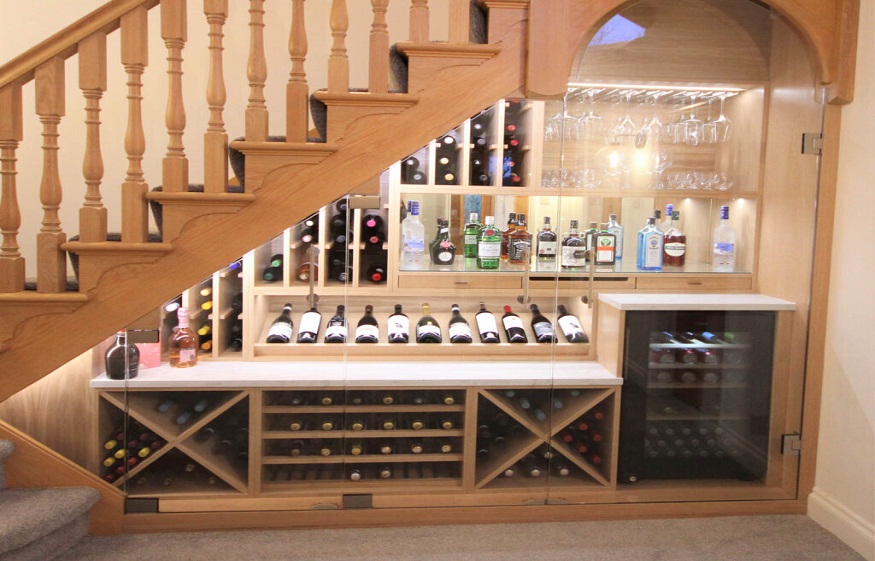
For many homeowners, the architectural void under the stairs wine storage is a wasted opportunity, often relegated to a cluttered coat closet or a dusty storage nook for suitcases. However, as modern residential design shifts toward maximizing every square inch of the floor plan, this triangular alcove has emerged as a prime location for specialized home improvement. One of the most sophisticated and an efficient use for this area is the installation of a custom wine storage system. By utilizing the existing structure of the home, you can create a stunning focal point that combines high-end aesthetics with practical functionality, allowing you to curate a professional-grade collection without sacrificing a dedicated room.
The Architectural Potential of the Under-Stair Nook
The geometry of a staircase naturally creates a tiered space that is surprisingly well-suited for wine bottle organization. Because wine bottles are uniform in shape, they can be stacked or racked to follow the ascending slope of the stairs, creating a visually pleasing staircase effect that mirrors the architecture above. This design choice does more than just save space; it integrates the collection into the flow of the home, often situated near the kitchen or dining area where the wine is most likely to be enjoyed.
When planning a conversion, it is essential to consider the structural integrity of the staircase. Most modern under-stair areas are hollow, but some may contain supporting pillars or utility lines for electrical and plumbing systems. A successful project begins with a thorough assessment of the interior dimensions to determine if you are building a simple open-air rack system or a fully enclosed, climate-controlled glass cellar. Regardless of the scale, the goal is to turn a previously ignored architectural quirk into a bespoke feature that adds significant character and value to the property.
Climate Control and Environmental Considerations
While the aesthetic appeal of a wine wall is undeniable, the primary function of any storage solution must be the preservation of the wine itself. Wine is a delicate biological product that is highly sensitive to fluctuations in temperature, humidity, and light exposure. The space under a staircase can be prone to temperature shifts, especially if it is located near an exterior wall or a heating vent. For serious collectors, a simple rack may not be enough; an insulated, vapor-sealed enclosure with a dedicated cooling unit is often necessary to maintain the ideal environment of approximately thirteen degrees Celsius.
Vibration is another factor that is unique to under-stair storage. Every time someone walks up or down the stairs, micro-vibrations can travel through the frame of the house. Over long periods, these vibrations can disturb the sediment in older vintage wines and negatively affect the aging process. To mitigate this, high-quality under-stair cellars utilize specialized racking systems with rubber gaskets or silicone mounts that absorb shock. Additionally, using UV-resistant glass for the enclosure protects the bottles from light damage while still allowing the collection to remain visible and part of the room’s decor.
Material Choices and Interior Design Styles
The materials chosen for an under-stair wine cellar should harmonize with the existing interior design of the home. For a contemporary or industrial look, many homeowners opt for minimalist metal peg systems or cable wine racks. These floating designs create a sense of airiness and allow the labels of the bottles to be the primary focus. When combined with frameless glass doors and sleek LED strip lighting, the result is a high-tech gallery that looks more like an art installation than a storage closet.
On the other hand, those with more traditional or rustic tastes may prefer custom-milled woodwork. Classic materials like redwood, mahogany, or white oak are popular choices because they are naturally resistant to the cool, damp environment of a cellar. Traditional diamond bins or individual wooden cradles provide a timeless look that feels established and warm. By matching the wood stain of the wine racks to the staircase banister or the nearby flooring, the cellar feels like a seamless extension of the home’s original craftsmanship.
Conclusion
Transforming the empty void beneath a staircase into a wine cellar is a master class in smart, space-saving design. It proves that luxury and functionality do not require massive amounts of square footage, but rather a creative approach to the existing environment. By carefully considering climate control, vibration dampening, and custom racking, a homeowner can protect their investment while creating a breathtaking visual element in their living space.
Vicodin Without A Prescription
Order Clonazepam Online
Buy Valium 10 Mg Online
How To Buy Alprazolam Online
Soma Overnight
Ambien For Sale Online
Hydrocodone Cheap
Buy Zopiclone 7.5 Mg Online
Buy Ativan Online Without Prescription